Planning a successful corporate event starts long before the first speaker takes the stage or
the initial presentation begins. The location you choose heavily influences how participants
interact, how comfortable they feel throughout the day, and, ultimately, how productive the
entire event becomes. A carefully selected conference venue creates the perfect
environment for collaboration, decision-making, and high-level relationship building. On the
flip side, the wrong choice can easily distract guests and derail the primary objectives of your
gathering.
Whether you are organising an industry summit, an internal strategy workshop, or a large-
scale networking seminar, every single detail of the space contributes to the guest
experience. From room adaptability to top-tier catering services, finding the ideal spot
requires looking far beyond mere appearance. You need to consider how people will move,
work, and engage within the venue throughout the day.
What defines a professional conference venue
When searching for corporate conference venues, the primary consideration should
always be practical suitability rather than prestige alone. An impressive location means very
little if it fails to comfortably support your event’s technical and logistical demands. A truly
professional venue offers quiet surroundings, adaptable physical spaces, reliable modern
equipment, and an overall atmosphere that naturally encourages open discussion and
learning.
Professionalism also shows in the details that guests might not notice right away—such as
acoustics, seamless transition zones between rooms, and well-maintained public spaces.
Choosing a premier conference venue that blends functional modern features with distinctive
historic or natural surroundings helps transform an ordinary meeting into an unforgettable
business experience.
Capacity, layout and comfort
Every business gathering comes with unique space requirements, and the main hall or
breakout rooms must adapt seamlessly to your format. A dedicated boardroom setup works
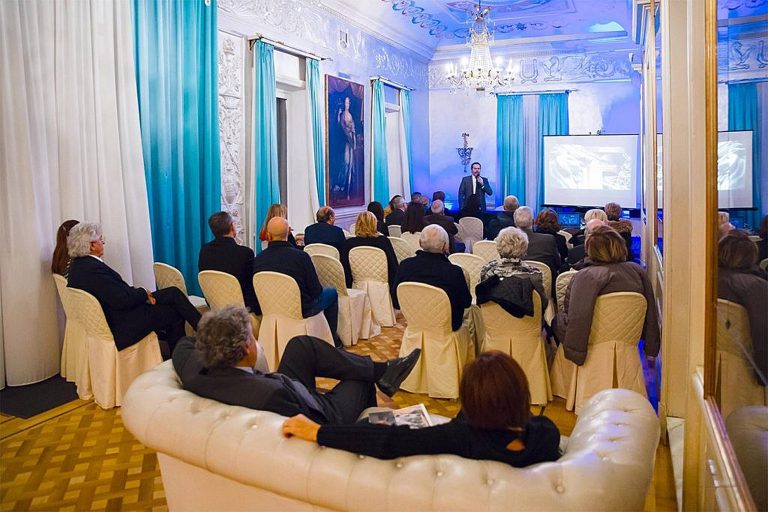
brilliantly for executive strategy discussions, whereas traditional theatre or classroom seating
is usually far better suited for lectures and multi-speaker conferences. Interactive workshops,
on the other hand, benefit immensely from modular table arrangements that encourage
dynamic teamwork.
Finding the right balance in terms of physical capacity is equally crucial. A conference
space that is overly vast makes smaller audiences feel sparse and disengaged, while a
room that is too tight quickly becomes stuffy and uncomfortable. Beyond physical room
dimensions, guest comfort relies heavily on ergonomic seating, ample natural light, and
balanced temperature control to keep energy levels and concentration consistently high
during long sessions.
Conference facilities and technical support
Modern business events depend heavily on reliable technology to deliver seamless
presentations and connect with remote audiences. Comprehensive conference facilities
should always feature high-speed enterprise Wi-Fi, high-definition presentation screens or
projectors, pristine audio systems, and easily accessible power outlets throughout the room.
Organisers should never have to worry about connectivity dropouts or technical glitches
during critical moments.
Having dedicated, experienced technical support staff on-site can make an enormous
difference to your event’s overall success. Professional technicians who assist with quick
audio-visual setup, media troubleshooting, and immediate technical adjustments allow event
organisers to remain focused entirely on their attendees and program content.
Meeting and networking areas
While the formal presentations take place inside the main hall, some of the most valuable
business connections happen outside of it. High-quality meeting and conference facilities
always include dedicated transition zones, lounges, or garden areas where guests can
mingle casually between sessions.
Having thoughtful breakout spaces allows attendees to digest information, discuss ideas, or
make phone calls without disrupting ongoing speeches. By providing comfortable seating
and open foyers, you encourage spontaneous conversations and meaningful networking that
often turn out to be the highlight of the event for many attendees.
Food, breaks and hospitality services
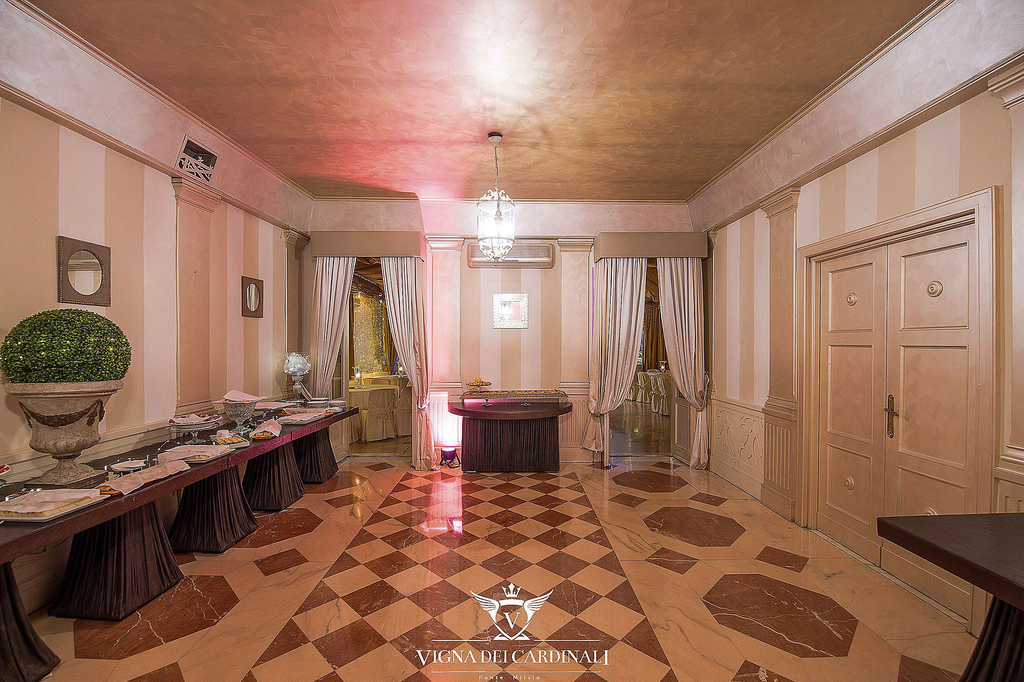
Caffeination and dining options play a vital role in keeping attendees energized and
engaged. High-grade catering and hospitality services should seamlessly complement the
flow of your event schedule rather than interrupt it. Fresh food options, premium espresso
coffee, and attentive staff help participants feel valued while keeping the day moving
smoothly.
Depending on your timetable, combining formal talks with a relaxed morning coffee station or
a seated business lunch provides crucial downtime for networking. When comparing various
conference venues, evaluating their flexibility regarding customized menus, dietary
accommodations, and efficient service style is essential for delivering a polished guest
experience.
Accessibility and guest logistics
An exceptional venue must be easy for your guests to reach without unnecessary hassle.
Convenient transit access, clear driving directions, and ample secure parking create a
smooth arrival experience right from the start. For multi-day events or international visitors,
proximity to major transport hubs, airports, and reputable hotels is a massive plus.
Within the building itself, clear directional signage, accessible entrances, and welcoming
reception teams ensure that attendees can navigate the facilities effortlessly. Removing
logistical friction allows guests to arrive relaxed, punctual, and fully ready to engage with
your content.
Why the venue affects the event experience
The physical setting of an event subconsciously shapes how participants feel, communicate,
and remember the occasion. Elegant architecture, natural light, and tasteful interiors set a
positive, professional tone that encourages open dialogue and active participation.
Attendees almost always remember the overall atmosphere long after they have forgotten
specific presentation slides.
Booking top-tier venues reflects your company’s professionalism, high standards, and
attention to detail. It demonstrates genuine respect for your partners, clients, and team
members by offering them a thoughtful environment specifically designed for their comfort
and productivity.
How to compare conference venues
With so many choices available, selecting the right site requires a structured evaluation
process. Start by defining your core priorities: expected guest headcount, technical
requirements, catering preferences, and overall budget. Once you have a clear picture,
create a shortlist of potential spaces and visit them in person whenever possible.
Pay close attention to overall versatility, the quality of conference facilities, ambient noise
levels, and the helpfulness of the site management team. For international organizations
planning corporate events, exploring the detailed Vigna dei Cardinali guide to business
meetings in Italy provides valuable insights into choosing an iconic, highly functional setting
in the heart of Rome.